My education philosophy
Learning Through Experience
I believe that learning becomes most meaningful when it is connected to real experiences. When people have the opportunity to explore ideas through projects, experimentation, and real-world challenges, learning moves beyond memorization and becomes something lived and understood. Experiential learning encourages curiosity, collaboration, and reflection, allowing learners to build knowledge while also developing confidence, problem-solving skills, and a deeper understanding of the world around them. By engaging with ideas through action and exploration, learning becomes more relevant, memorable, and empowering.

The brain, emotions, and psychological safety
Learning is not only a cognitive process; it is also deeply emotional. Research in neuroscience and psychology shows that the brain learns best in environments where people feel safe, supported, and emotionally connected. When learners feel anxious, judged, or disconnected, the brain shifts into a protective state that makes learning more difficult.
This is why creating environments where people feel safe, seen, and understood is essential. Inspired by frameworks such as Maslow’s hierarchy of needs, I believe that emotional safety and a sense of belonging are the foundation for meaningful learning. When these basic psychological needs are met, curiosity can flourish, creativity can emerge, and learners feel confident enough to take risks, make mistakes, and grow.
Education should therefore nurture both the mind and the emotional wellbeing of learners, recognizing that intellectual development and emotional development are deeply intertwined.
My three pillars to design learning environments
-
Student-centered
I believe in creating learning environments where people feel empowered to take ownership of their learning. Their interests, questions, and passions should be an essential part of the process. When learners feel that their voice matters and that their curiosity is valued, learning becomes more meaningful, engaging, and lasting. By placing the needs and motivations of learners at the center, we can create experiences that not only build knowledge and skills, but also nurture a lifelong love for learning.
-
Learning through Failure
I strongly believe that mistakes and failures are essential parts of growth and learning. When we create environments where experimentation is encouraged and mistakes are seen as opportunities rather than setbacks, people develop resilience, creativity, and confidence. Embracing failure helps learners build a growth mindset and develop the problem-solving skills needed to navigate complex challenges throughout their lives.
-
Curiosity Driven Learning
Curiosity is one of the most powerful drivers of learning. When learning is fueled by questions, exploration, and discovery, people become active participants in the process rather than passive recipients of information. By creating environments that encourage inquiry, experimentation, and reflection, we can help learners develop critical thinking skills and a sense of ownership over their learning that will support them throughout their lives.

Nature as a Learning Environment
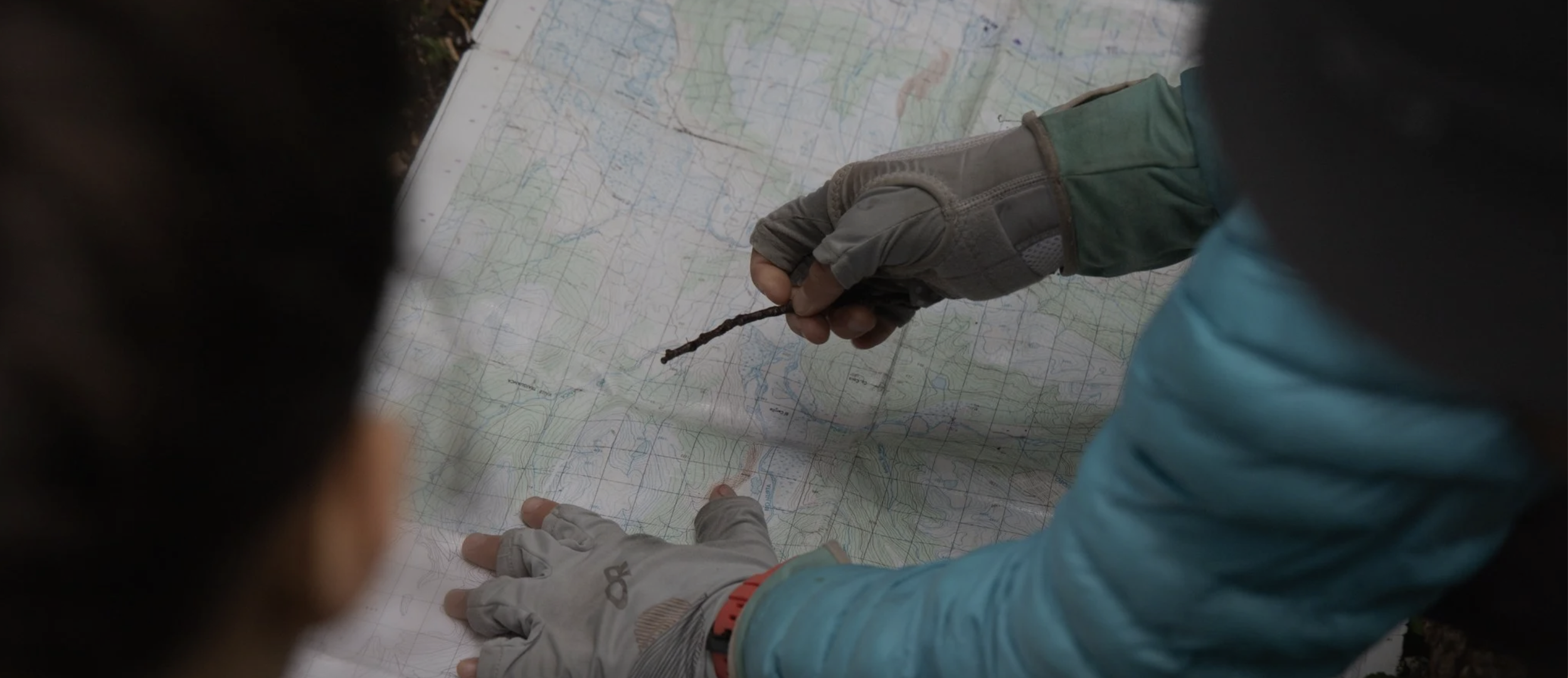
Nature has also played an important role in shaping the way I understand learning. Outdoor environments offer unique opportunities for exploration, reflection, collaboration, and personal growth. Being in nature encourages curiosity and connection with the world around us, while also supporting wellbeing and mental health. While learning can happen in many different contexts, experiences in nature often remind us that learning is not confined to classrooms, but can emerge through exploration, challenge, and discovery.
