Experiential Learning in Oaxaca, Mexico
Art, Culture, and Local Economies in Oaxaca
During this experiential learning module in Oaxaca, Mexico, students explored the relationship between traditional arts, cultural identity, and local economies. Through engagement with artisans, markets, and creative communities, learners investigated how artistic traditions such as weaving, pottery, and visual arts shape both cultural heritage and economic sustainability. By examining the role of craftsmanship within local communities, students reflected on the intersection of creativity, entrepreneurship, and cultural preservation.

Ayayayaya:
Apropiación (y) Apreciación (y) Asimilación (y) Autenticidad y Arte
Driving Question: How might we convey the intersection of local arts and economy through a documentary movie?
Interdisciplinary Themes: Videography, Visual Arts, and Entrepreneurship
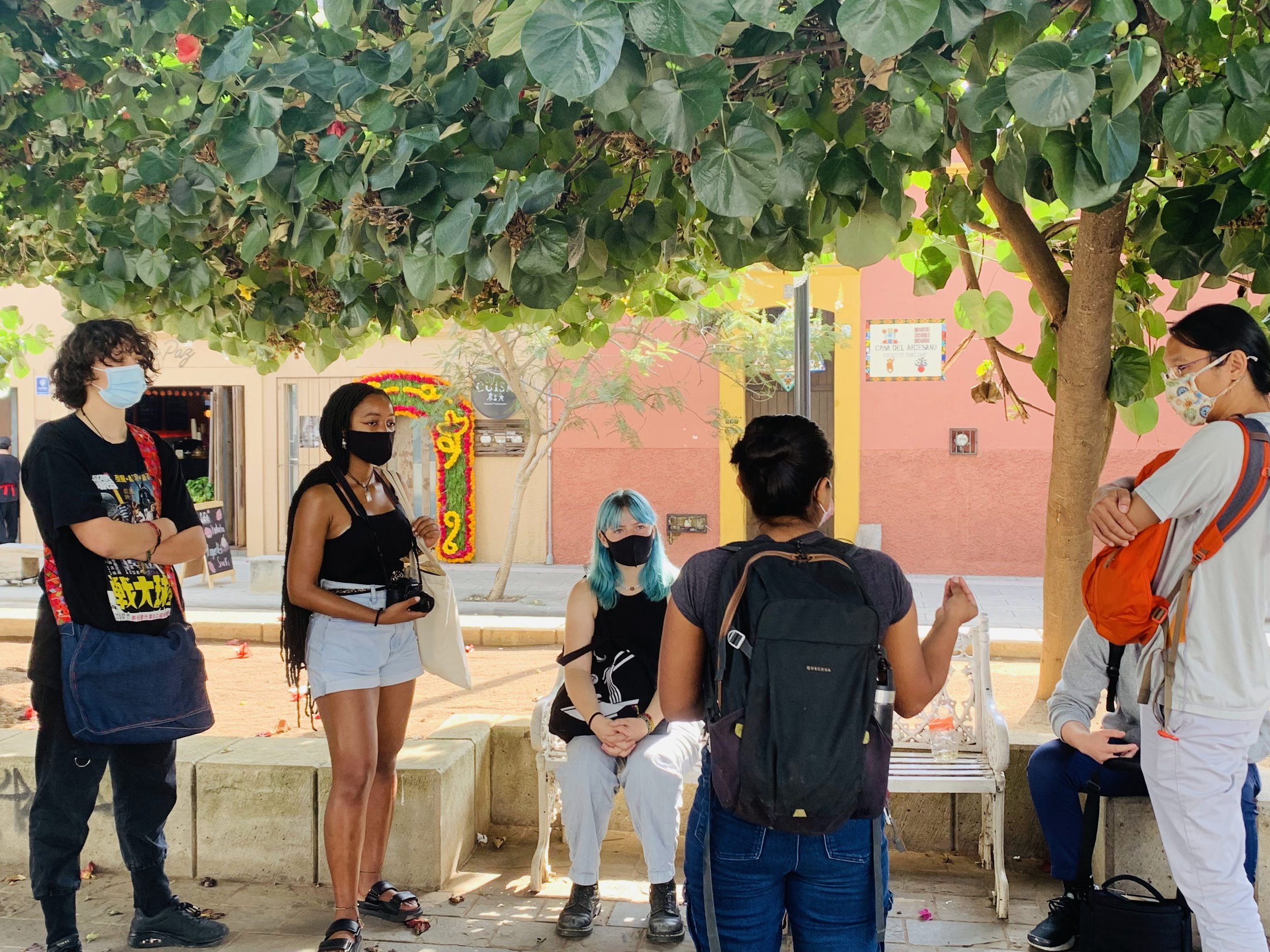
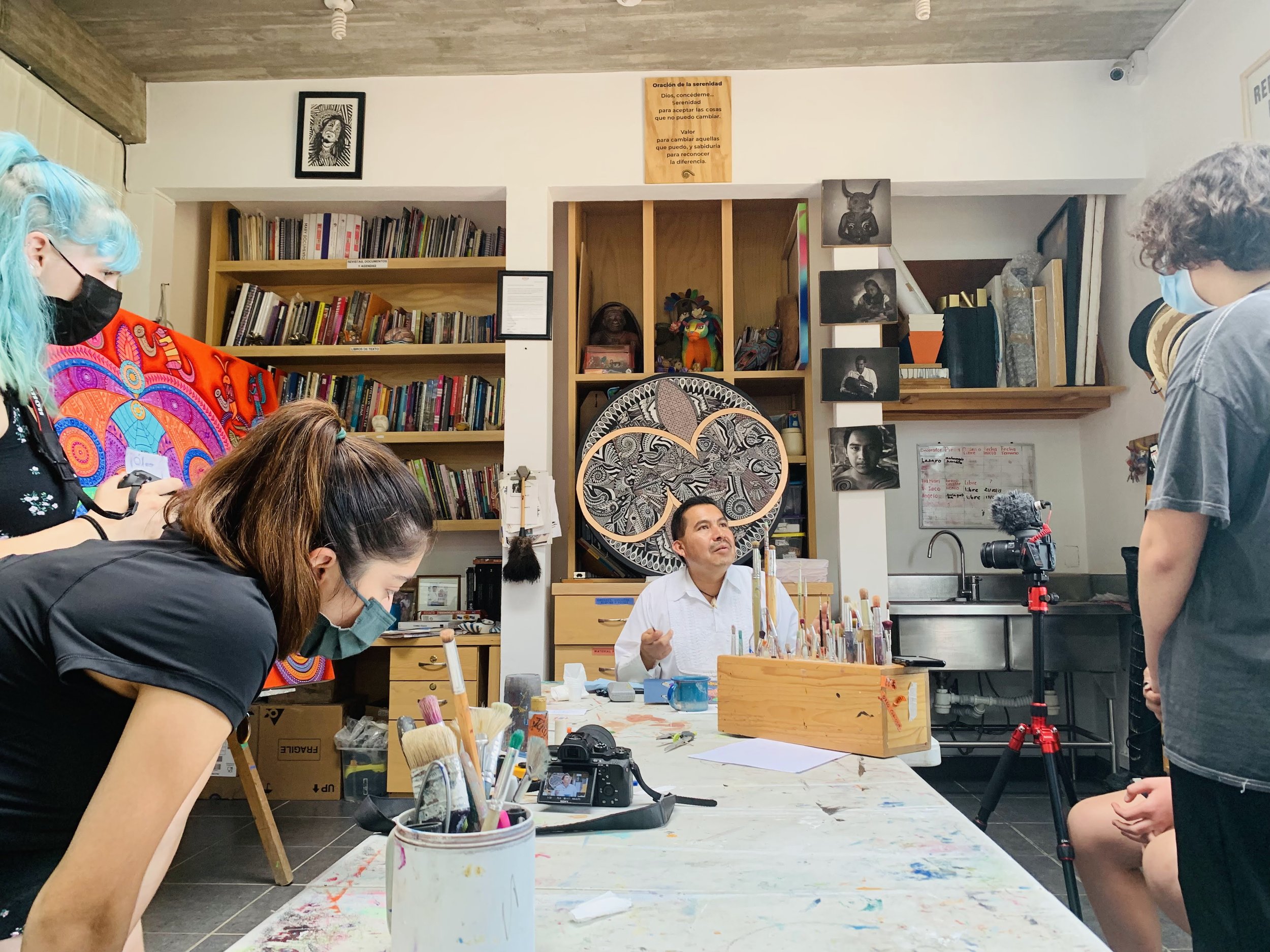
Learning Experience: Students explored the relationship between art and local economies in Oaxaca, examining how traditional crafts contribute to the livelihoods and identities of local communities. Through visits to markets, workshops, and artisan studios, learners observed firsthand how artistic traditions such as weaving and pottery continue to shape the region’s cultural and economic landscape. Students also examined the challenges artisans face within a globalized economy and reflected on the importance of preserving cultural heritage while adapting to contemporary markets.
Summative Product: Students produced short documentary films exploring the relationship between art, culture, and local economies in different communities across Oaxaca. Each documentary combined interviews, observational footage, and narrative storytelling to communicate the experiences of local artisans and the role of craftsmanship in sustaining cultural traditions and economic livelihoods.
Learning Reflection: This learning experience allowed students to understand art not only as a form of creative expression, but also as a powerful reflection of culture, identity, and economic realities. By engaging directly with local artisans and observing their daily work, students developed a deeper appreciation for the role that craftsmanship plays in sustaining communities and preserving cultural traditions.
The documentary format encouraged learners to think critically about how stories are told and whose perspectives are represented. Through the process of interviewing, filming, and editing, students reflected on the responsibility involved in representing other people’s experiences and cultural heritage. Ultimately, the project helped students see how creativity, storytelling, and entrepreneurship intersect in shaping both local identities and global cultural exchanges.