Experience Based Learning in Botswana
Storytelling, Culture, and Human–Wildlife Coexistence in Botswana
During this experiential learning module in Botswana, students explored the intersection between culture, storytelling, and environmental conservation. By engaging with local communities, cultural traditions, and ecological challenges, learners examined how narratives can shape our understanding of the relationship between humans and the natural world. Through interdisciplinary inquiry, students investigated both traditional oral storytelling and contemporary environmental issues, including the complex dynamics between landowners and native wildlife.

Stories of Botswana:
Culture, Conservation, and Communication
Driving Question: How can storytelling be used to communicate cultural knowledge and environmental challenges across disciplines and audiences?
Interdisciplinary Themes: Oral Storytelling, Anthropology, and Environmental Studies
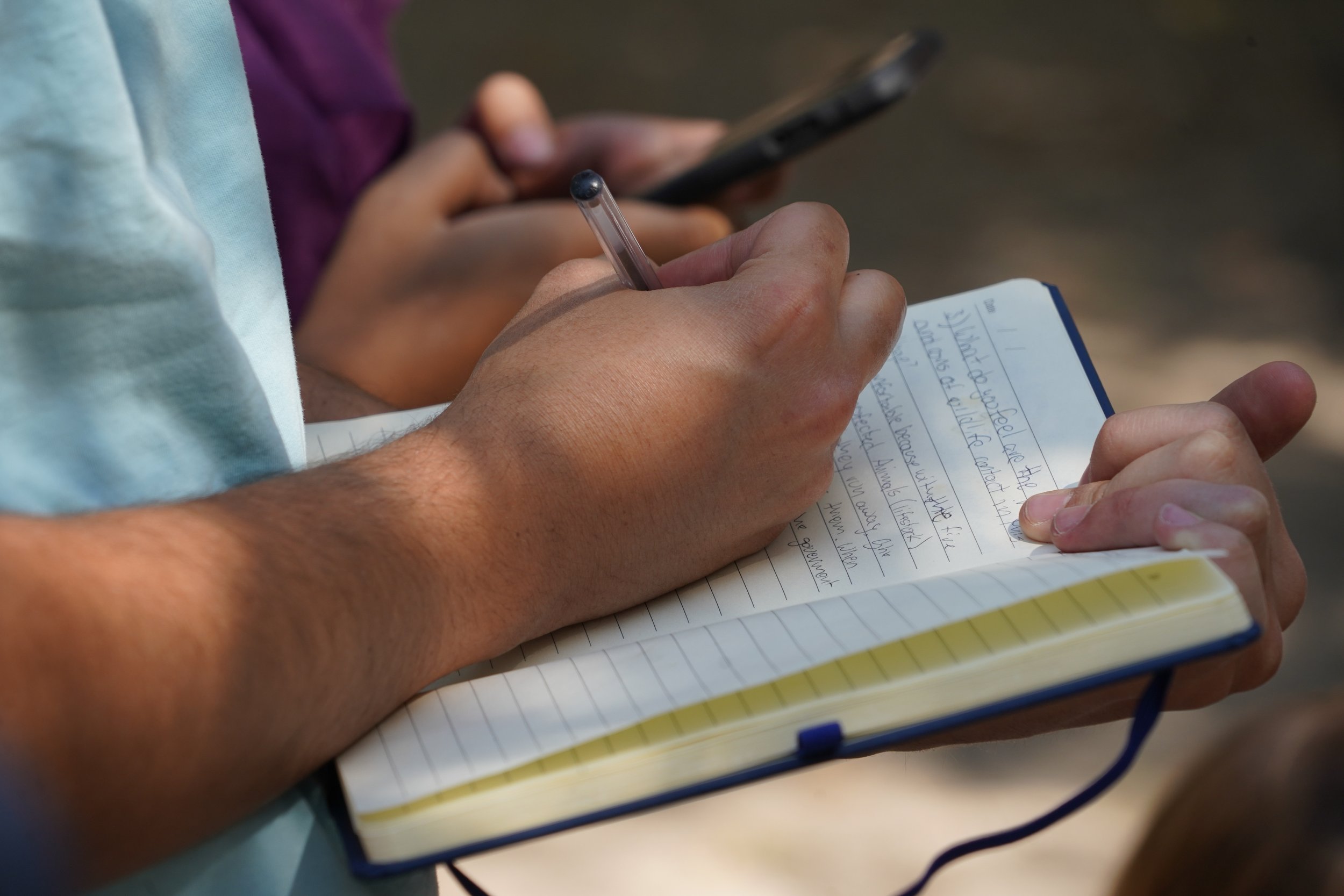
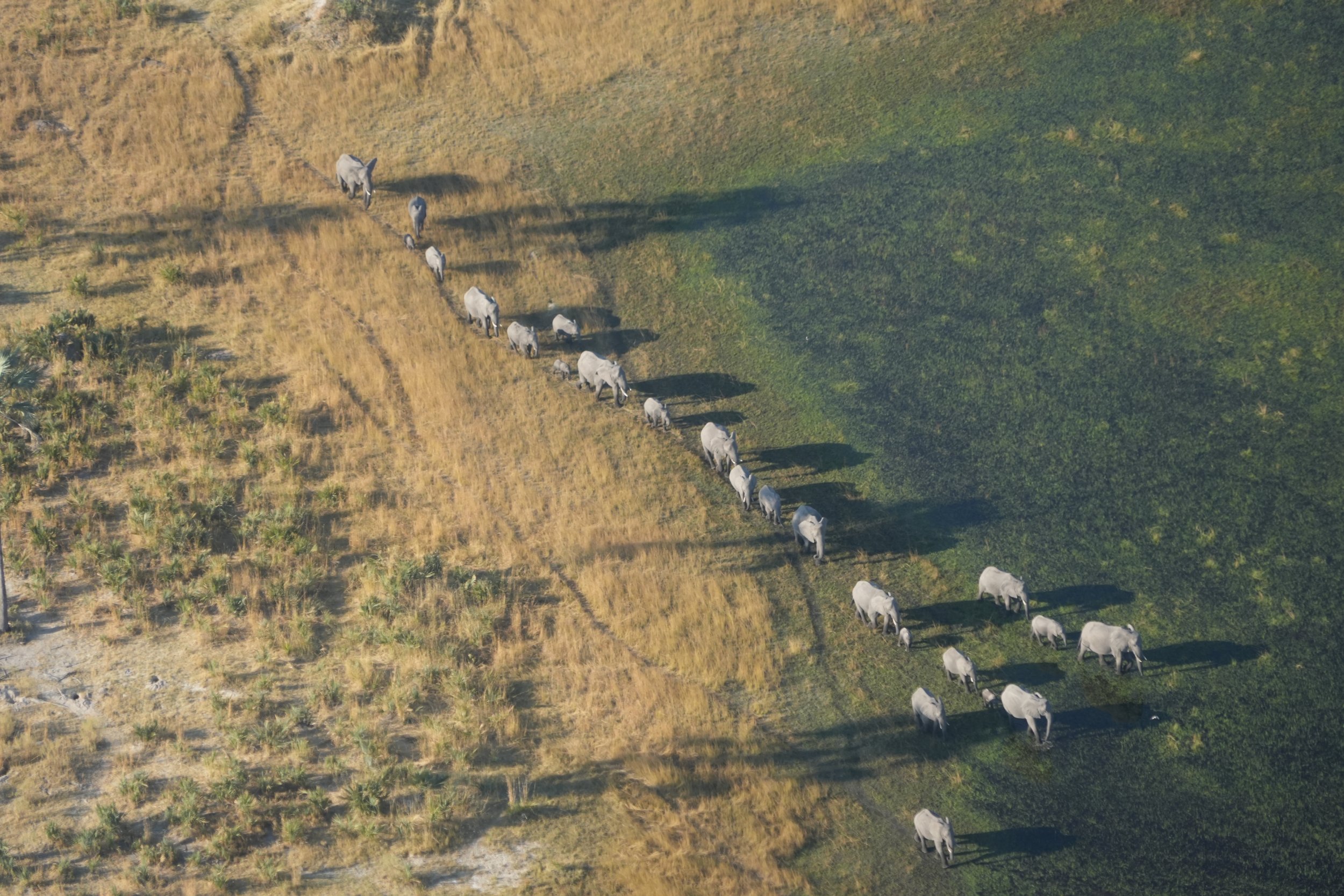
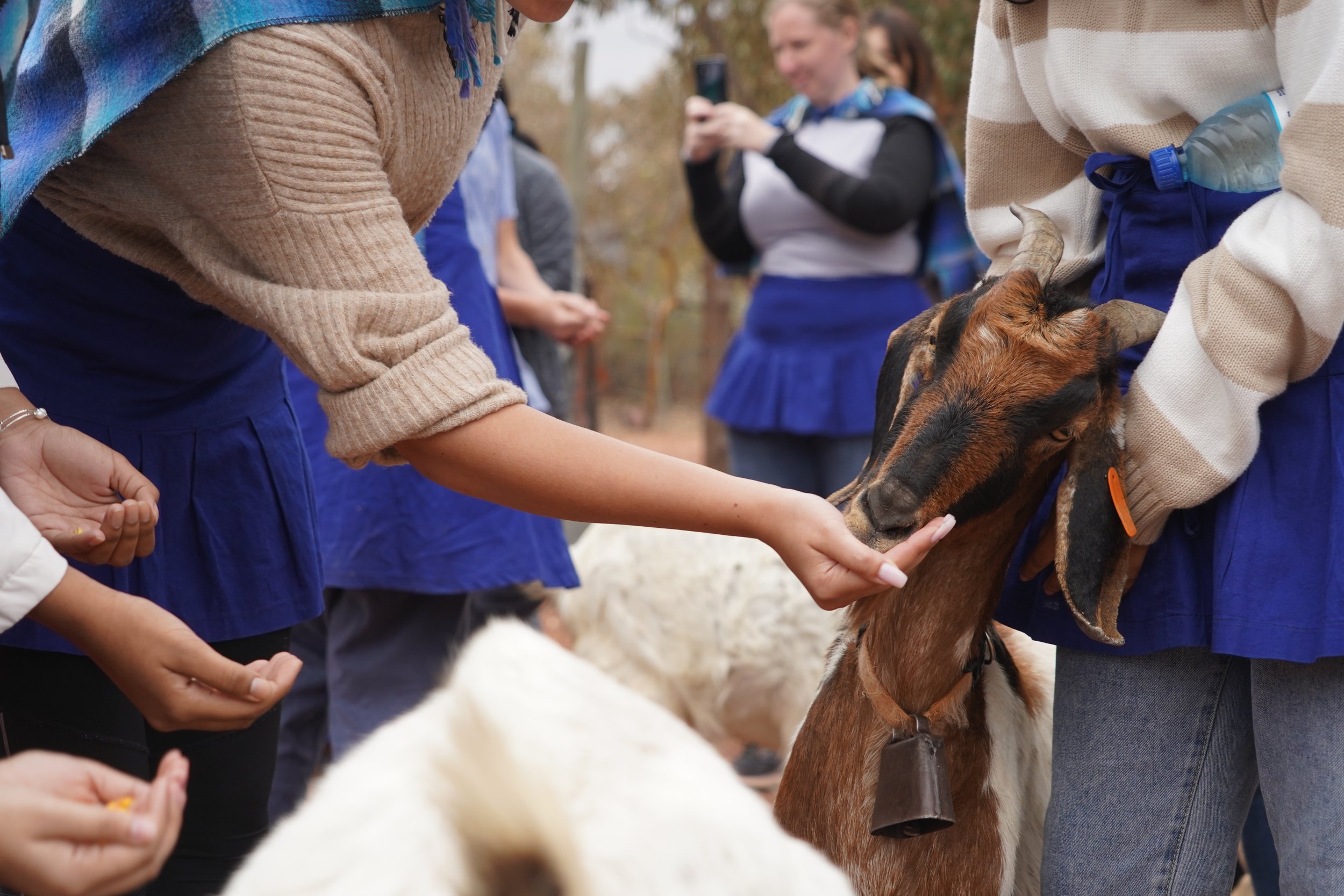
Learning Experience: Students explored the cultural and historical context of Botswana through a variety of sources and direct experiences in the local community. After immersing themselves in the country and its people, they selected an area of focus for deeper investigation. Some students examined the role of traditional storytelling in preserving cultural identity, while others conducted research into the complex relationship between landowners and native wildlife populations.
Summative Product: Students chose between two different products:
1. The production and performance of a story, demonstrating the student’s knowledge of both the medium and a selected aspect of the region’s anthropology.
2. The communication of scientific findings in a manner both creative and accessible to non-members of the scientific community.
Learning Reflection: This learning experience allowed students to explore the power of storytelling as both a cultural tradition and a tool for communicating complex ideas. By engaging with Botswana’s communities, landscapes, and environmental challenges, students developed a deeper understanding of how narratives shape our perception of the natural world and the relationships between people, land, and wildlife.
The project encouraged learners to move beyond disciplinary boundaries, combining anthropology, environmental science, and creative communication. As students reflected on their experiences and interactions, they began to recognize the importance of perspective, cultural context, and empathy when addressing global challenges. Through this process, storytelling became not only a means of expression, but also a way to connect knowledge, people, and ideas.